

Para la versión en español, cliquea aquí
Synopsis
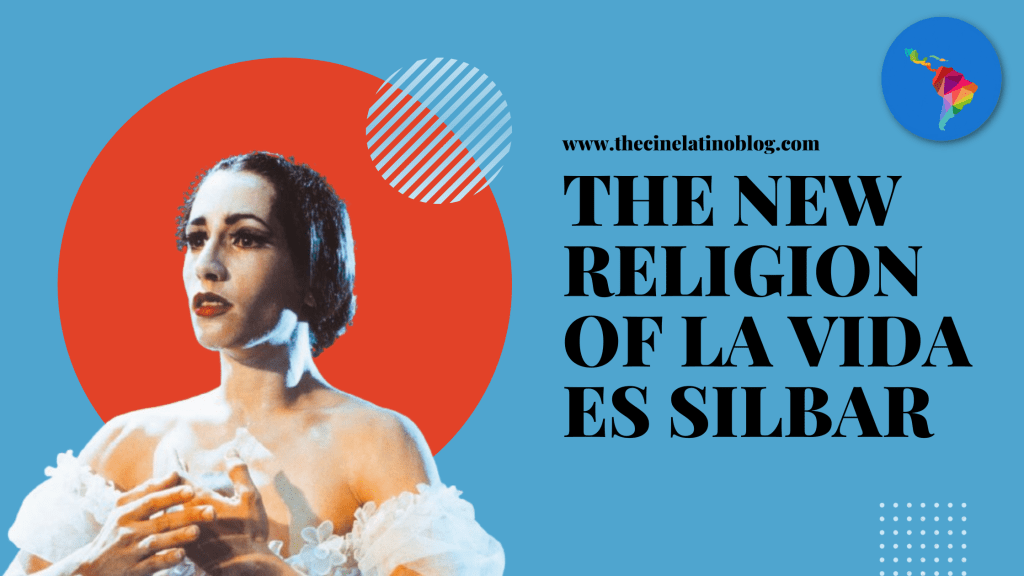
La Vida es Silbar (1999) follows three people trying to make their way in contemporary Havana. All three live separate lives but are connected by a young woman named Bebe, who acts as a kind of God of Havana, guiding them to their future.
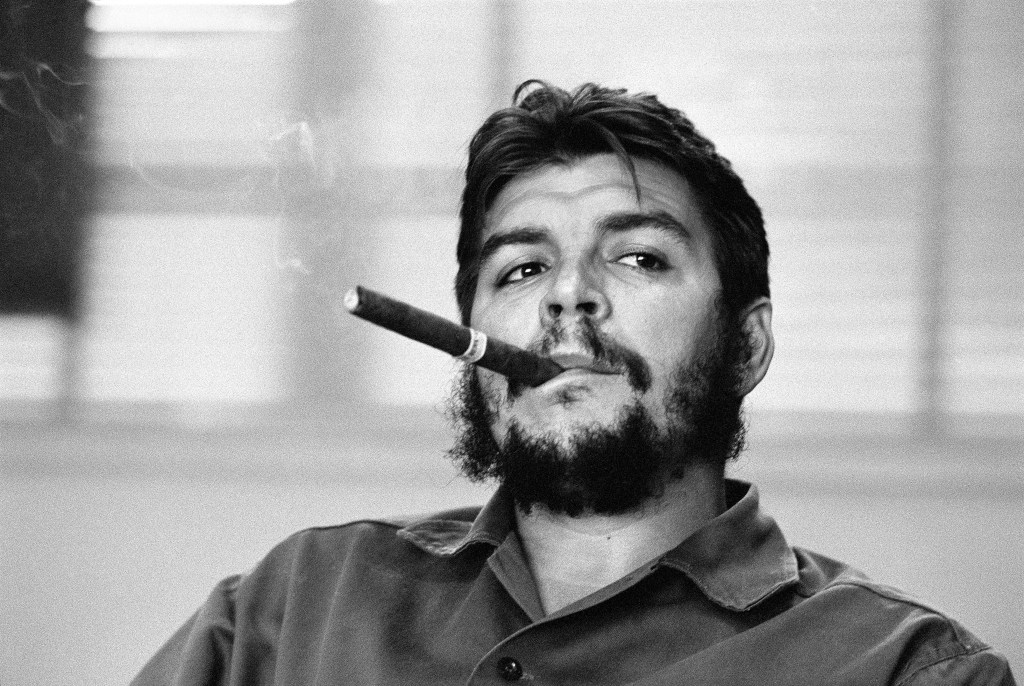
The Cuban Revolution brought a new society to an island that had long lived in the shadow of its colonizers. The 1960s brought new schools, new reforms, new laws, and new men, according to Che Guevara, whose biggest legacy on the island after 1959 was his philosophical musings on the “New Man” of Cuba. To undo the ills that had previously plagued the country, each citizen had to look at their own life and make drastic changes. They had to value moral virtues over material vices and pride solidarity over individual achievement. Though decidedly antireligion, Che’s words seem to invoke the apostle Paul who said, “put on the new man, which after God is created in righteousness and true holiness.” Che’s new man would take this country steeped in Spanish Catholicism and African Santeria into a new kind of religion inseparable from the State and its reforms.
However, with the collapse of the Soviet Union and the growing precariousness of the Cuban State, many Cubans were experiencing an existential crisis by the mid-90s. Was there room for Che’s New Man in this world? What did the New Man bring to the country in the first place? La Vida es Silbar responds to these questions in a way that no previous films could even attempt. Speaking about the male lead in the film, Elpidio, scholar Ana Serra writes, “he offers the first complaint in the Cuban cinema of that generation of men of whom the rubric of the ‘new man’ demanded more than they could potentially give.” While other directors like Tomás Gutiérrez Alea used neorealism to tell stories about the Special Period, director Fernando Pérez leans into the surreal and spiritual. This has everything to do with timing. Months before La Vida es Silbar began filming, Pope John Paul II paid a historic visit to the island marking an end to the longtime tension between the Church and the State. Perez’s film is therefore a time capsule on a very special moment in the Special Period.
This strange moment in history creates a sense of ambivalence in each character, especially Elpidio. His mother, also named Cuba, abandoned him as a child, and now he waits for a sign from her, from his own country, about what to do next. When she was around, life was joyous for him and the other children in the orphanage that she taught at. Lessons for Elpidio, Mariana, and Bebe were filled with lively Afrocuban songs. Her departure left them with a strict teacher whose lessons on how to spell “equality” never worked. In fact, Bebe cannot even say it, she can only whistle it. This whistle is the sound of a new kind of solidarity, previously undefined by Che’s “New Man”. This is the solidarity from children who listen to Afrocuban drums and secretly wear crosses around their necks.
In an ultimate act of solidarity, Bebe becomes a deity for Elpidio, Mariana, and Julia, an older woman who is later revealed to be Bebe’s biological mother. All three come from different backgrounds with different beliefs, but their unhappiness is all the same and cannot be fixed by the state. Elpidio looks to his Afro-Cuban roots for real answers. It’s no coincidence that his mother’s name, Cuba Valdés, is so similar to the eponymous heroine of the classic Cuban novel, Cecilia Valdés, a story about a mixed-race woman in colonial Cuba. Waiting for a sign from his mother and his country is deeply linked to the sounds of his native drums. When his gringa girlfriend takes him on a hot air balloon ride to try to see if he feels anything, he responds that he finally hears music as he floats over the Havana skyline. For him, music and his homeland are entangled. His romance with this strange Canadian woman can’t tempt him away from his native land so easily, despite its flaws.

While Elpidio’s faith is linked to his land and nature, leading to a more sensorial expression of love, Mariana’s passionate romances plague her. A faithful Catholic and an even more dedicated ballet dancer, Mariana’s body is less free. In order to win the role of a lifetime, Giselle, she makes a vow to God that she will do away with her promiscuous behavior and become chaste. Elpidio is torn between the passion of his homeland and his new foreign girlfriend while Mariana is torn by her unconsummated desires: her dreams of dazzling audiences on opening night and her co-lead. For her, her religion allows her to reach great professional heights, letting her melancholy fuse with her dancing. However, it keeps her from her other passions.
The only character who did not spend their youth at the orphanage, Julia, has another kind of anxiety about intimacy. Living with the guilt of having to give up a child, she is terrified of intimacy and literally faints when anyone utters the word “sex”. She turns, not to religion, but to science, and begins to see a doctor to fix her problem. Julia is a woman, who despite her years of work caring for older people, is plagued by guilt. Her solidarity in true “new man” fashion is not enough to wipe away her sadness. It’s not enough for Mariana or Elpidio, who have to turn to different religions and wander aimlessly looking for signs. This is their sad reality until Bebe, the omnipotent narrator, steps in and gives each of them a sign to go to the Plaza de la Revolución.

Elpidio receives a message from his God, then Mariana from hers, and Julia from her doctor. The State, science, Christianity, and Santeria are all equalized by Bebe’s actions when the three protagonists find each other under the watchful eye of a statue of José Martí, a man who waged revolution long before Che Guevara was born. When these three people are reunited at this landmark, they don’t speak, they just whistle. As Bebe says, that is the secret to happiness: whistling. The answer to the pressures of being a “new man” is not the rejection of the revolution’s ideals or blindly following it: it’s surviving.
 The Cine Latino Blog
One response to “The New Religion of La Vida es Silbar”
[…] For the English version, click here […]
LikeLike