


Para la versión en español, cliquea aquí
Synopsis
Sol de Otoño (1996) follows Clara, a middle-aged, single Jewish woman living in Buenos Aires. For years, she has been lying to her brother who lives abroad about her personal life, particularly the fact that she has a boyfriend. With impending plans for a visit, she decides to put an ad in the newspaper for a nice, Jewish man. What she gets instead is a Uruguayan gentile who will have a lot to learn in order to pull off this charade.
One of the greatest tragedies that comes from stereotyping an entire continent like Latin America, is the way the many diverse communities of the region get erased or forgotten. For centuries, Latin America has been the home of countless diasporas and immigrant groups from around the world. One of the many immigrants to make a home in Latin America are Ashkenazic and Sephardic Jews. There has always been a long history of Jewish immigration in Latin America, and Argentina is no exception. The country has the largest Jewish population in the entire continent and Buenos Aires holds the seventh-largest community in the world. Many famous filmmakers and musicians including Lalo Schiffrin and Damian Szifron make up this vast diaspora.

Still, this population is a minority within the country and has not always been integrated with open arms. In July 1994, a Jewish community center in Buenos Aires was bombed, killing 85 people and wounding at least 200. While Argentine authorities have concluded that Hezbollah and Iran organized the attack, no arrests have been made. Throughout almost every administration since then, presidents have promised to seek justice but foreign court complications have made it increasingly difficult. This coupled with the prejudice from politicians like Senator Miguel Ángel Pichetto, who claimed that the attack killed “real Argentines and Jewish Argentines” alike makes justice for victims seem out of the question.
In Sol de Otoño, it is only natural that this lonely Jewish woman falls for another kind of outsider, a Uruguayan immigrant and it is even more apt that these two roles are played by two legends of Argentine cinema, Norma Aleandro and Federico Luppi. Though they are now both widely respected, the two faced discrimination and hardship during the Argentine military junta and Aleandro even fled to Spain. The end of the dictatorship, however, brought a renewed interest in both of their careers with Aleandro starring in her most recognizable film to date, The Official Story, and Luppi going on to work with great directors like Guillermo del Toro and Adolfo Aristarain. At the height of their joint renaissance, they made this quiet, personal portrait of two people trying to open up to love despite their circumstances.
Director Eduardo Mignona opens this intimate story with a montage of all the sites and faces of the city of Buenos Aires and a narration that says, “la gente no se divide de entre ganadores y perdedores, sino entre supervivientes” or “The people are not divided between winners and losers, but between survivors.” It’s a powerful statement that becomes more relevant when the montage of everyday Buenos Aires residents suddenly focuses on a young criminal who steals an older woman’s purse. That woman is our protagonist, Clara. Whether through her own insecurities or real-life dangers on the street, she will continue to isolate herself in her safe world, afraid to let anyone in.
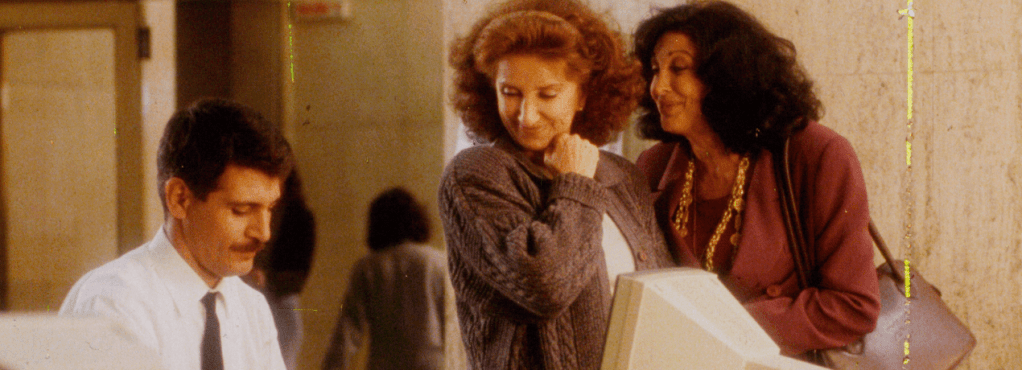
It’s hard for anyone to tear down her many walls, but her meeting with Raul, a man who is ironically so emotionally closed off that he lies about his own name so she will think he is Jewish, gets her to open up. The two prefer to live in their safe, familiar neighborhoods and though the politics of the time are kept in the background, they are huge factors in their loneliness. As an exile, Raul remains an outsider in his adoptive country, and Clara’s fears about crime and insecurity in the country constantly flare up. Even Raul and Clara’s jobs seem to reflect their attitudes, She’s an accountant and he is a picture framer. She just wants to focus on the numbers and not forge personal relationships while he does not want to look outside the lines of his world.
This changes when Raul meets Clara and decides to say his name is Saul Levin and she catches him in an obvious lie. Though she is initially disappointed, she sees herself reflected in this man who will go so far as to lie so he can be with her. The next time they meet, she tells him the truth about herself. She has been lying to her brother for years about a steady relationship with a nice Jewish man and needs someone to play the part. From that point, Clara begins to teach Raul about her own Jewish culture and conducts tests like inviting him to a traditional Sabbath dinner. Strikingly, these tests and moments of cultural confusion are not played for laughs like in most other movies about mistaken identity. These moments of tentative connection are as tender and awkward as they can be.
Their efforts at connection are often hindered by Clara’s own imaginary expectations. She needs Raul to be exactly what she had told her brother he was. Any diversion from that has the power to be extremely disappointing. Only when they are away from the noise and expectations of Buenos Aires and in a country estate, do they really connect. Before that, their relationship mainly consisted of her questioning him and forcing him to act, but there, the tables are turned and she opens up about her own past, particularly the fact that her only real relationship was with a married man. With that realization, the two finally act on their feelings for each other.
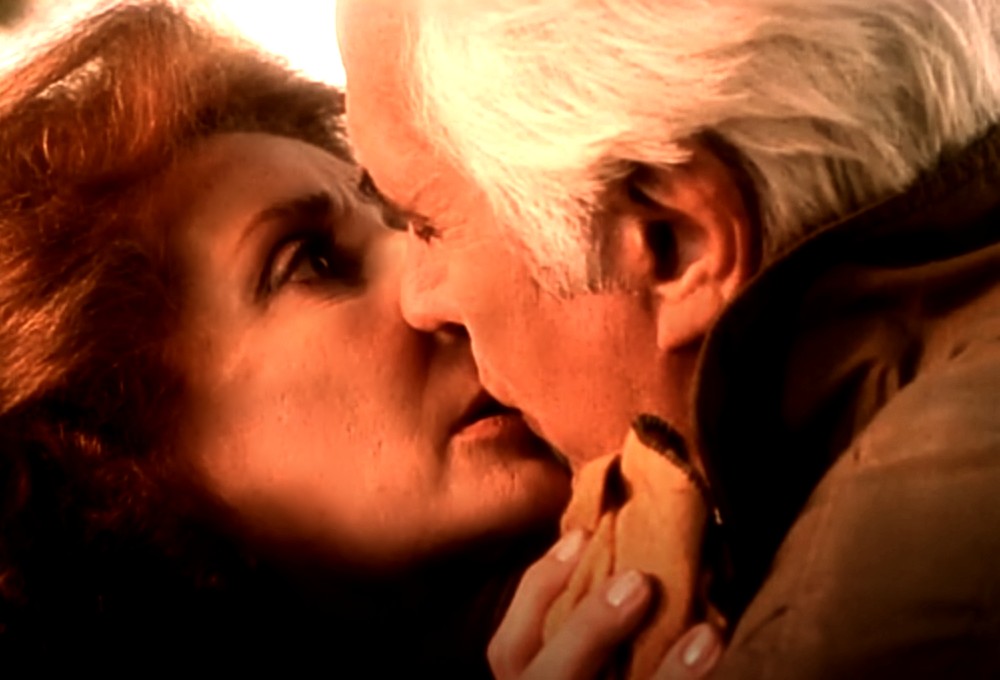
But when Raul becomes tired of this slow build and ends things, Clara is not strong enough to declare her feelings loud and clear. She says “I love you” so quietly he can’t hear. In a film that’s all about the small victories and acts of bravery, Raul puts himself out there and places his own personal ad, this one meant exclusively for her. When she finally reads it, she imagines the worst scenarios like always. What if this love proves fatal? Who cares? Mignona ends his movie as he started it, with a montage of Buenos Aires. This time, however, he ends with a shot of Raul and Clara walking together, arm in arm. These two outsiders haven’t changed the world but they have changed their lives.
 The Cine Latino Blog
2 responses to “Finding Love in Sol de Otoño”
[…] For the English version, click here […]
LikeLike
[…] last film, Sol de Otoño, was a small, intimate picture with few locations and characters that became a massive success. His […]
LikeLike