


Para la versión en español, cliquea aquí
Synopsis
La Tregua (1974) centers around Martin Santomé, a middle-aged widower with three adult children. His life seems to be going nowhere but when a young woman named Laura Avellanada comes to work at his office, he falls in love. With her, he begins to have more hope for the future but her sudden death derails everything.
In Uruguayan literature, it’s hard to find a 20th-century writer as prestigious as Mario Benedetti. Part of Generation ‘45 which included some of the most prolific writers in the country’s history including Juan Carlos Onetti and Angel Rama. Benedetti served to be a unique voice in this abundant generation. A German speaker from a young age, Benedetti became the first Kafka translator in Uruguay and his influence shines through in Benedetti’s work. His voice reflected Uruguay’s historical process with an eerie sense of alienation. His unique style not only came from this Czech-Jewish influence but from Uruguay’s interesting history. At the beginning of the 20th century, Uruguay was a shining light for Latin American countries. Unlike other nations that faced civil wars and unrest after newly achieved independence, Uruguay was peaceful and economically prosperous. Batllismo, the progressive ideology created by President José Batlle y Ordoñez, made the country a secular nation with a strong middle class and generous state.
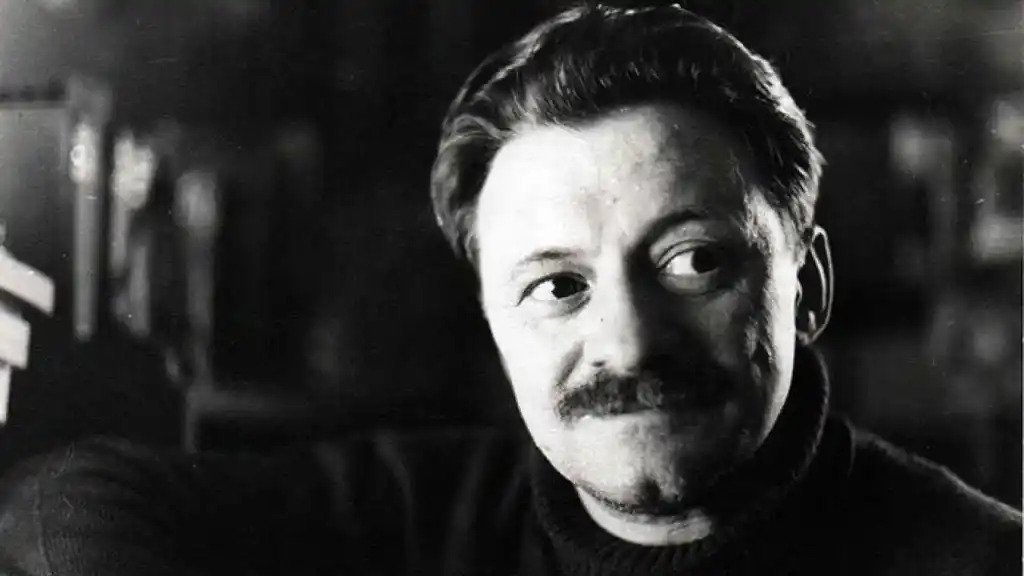
But by the 1950s, Uruguay’s prosperity was stagnating. The country had nationalized most sectors which resulted in far less exploitation by European powers but also created an over-bloated state and a nation of office workers. When Benedetti published his novel, La Tregua, about an isolated 49-year-old office worker who was already ready to retire in 1960, he spoke to a malaise that can only come when progress is indefinitely paused. Benedetti wrote the book at a time when the biggest threat to his nation was loneliness and boredom, but by the time the film adaptation was released by Argentine director Sergio Renán in 1974, both countries looked very different. The late 1960s in Uruguay saw a rise in unrest and violent uprisings from left-wing guerrilla groups like the Tupamaros.
Benedetti also became a supporter of the newly formed left-wing party, the Frente Amplio. In 1973, a military coup took over the government in an effort to quell the unrest, and a repressive government was installed for the next 12 years. Benedetti was exiled and his characters changed dramatically. No longer lonely office workers, they became politically minded people. Argentina was changing too. The 1960s were extremely turbulent and with the death of Juan Peron in 1974, the country was on the brink of entering its most violent and repressive era yet. The film industry was already starting to feel this repression. On February 21st, 1973, a new cinema law that would be in place until 1994 allowed the state to supervise all aspects of national cinema.
With all this change in the two nations as well as Mario Benedetti’s writing and the Argentine film industry, there was no way that the 1974 film adaptation would look exactly the same as its 1960 novel. At its heart, the two works are about the alienation of middle-class life. The film opens with no dialogue, featuring a montage of the protagonist, Martin’s daily routines. He is always alone and always carries a sense of disdain for his life and those around him. Even when his children come home to celebrate his birthday, he seems just as lonely. He can’t bring himself to get involved in his own life even when his children ask him to. He’s too passive.
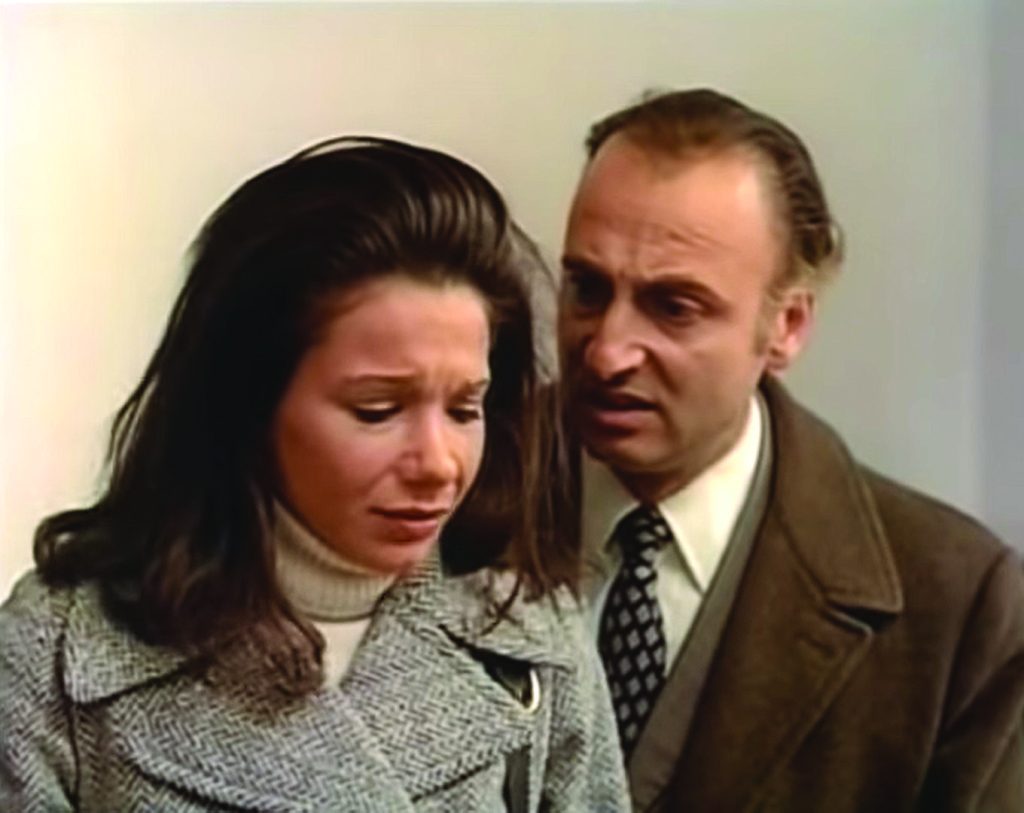
But one of the major ways in which the film strays from the novel is its perspective. The novel is structured as a series of diary entries from Martin. There is no diary in this film so we get to see his interactions with other people for ourselves, not the way he wants us to see them. We get a particular insight into the views of the young people around him and their frustration with the older generation. Most of the young men he knows are not interested in working like Martin. Jaime, his son, avoids conventional office jobs and his daughter, Blanca’s boyfriend tells him that he is not interested in money or working 20 hours a day. Even his eldest son, Esteban, who in the book is viewed at a distance, explains his coldness towards his father as a manifestation of his fear. For Esteban, his father is a mirror that is 20 years ahead and life as a lonely middle-class worker seems truly dreary.
These young people want more. Blanca even cries to her father, saying she is afraid nothing will happen to her. She doesn’t specify if she is talking about her future marriage or career or both. Young women these days have to worry about many different things. Renán does a lot of work to understand the motivations of the young people in Martin’s life. Whereas in the book, his son Jaime comes out and leaves via note, the two have a confrontation and tender moment as he packs up his things in the film. With youth-led political movements sprouting all over the region, there was no way their feelings and beliefs could be ignored by or told through Martin.
Martin, himself, changes from page to screen. He becomes much more in touch with his emotions, creating a more exaggerated rise and fall when he becomes enamored with his coworker Laura Avellanada. He seems far less trepidacious than in the novel to begin this romance. When he first invites her on a lunch date, he immediately declares his love for her. From then on, their love remains secret and he becomes dependent on her. The two can barely even hide their love at work. And in the moment that Martin suspects Laura of cheating on him, he completely shuts down, not even voicing his suspicion or anger until she volunteers information that absolves her. It’s a glimpse of what’s to come.

As opposed to the novel, we watch Laura slowly get sick. She resolves not to go home to get rest so she can stay with him longer than she should have. The combined grief and guilt makes the fatal phone call scene much different. The novel version of Martin cannot even bring himself to show emotion when he finds out about her death at work. In the film, he can’t hide them as he begins crying and cursing into the phone. Martin had seemed changed by his relationship with Laura. He was more hopeful and communicative with his children, but her death changed him. In the final shot of the film, we see Esteban, his most distant son, try to comfort him. Martin doesn’t interact with him and simply leans his head against the wall and solemnly declares, “it’s over”. Then the image freezes and tightens, literally blocking Esteban out. Martin is not back to who he was, he’s much worse. When Benedetti initially wrote his novel, he was warning people about the boredom and unfulfillment of a bureaucratic life. In 1974, Martin and his family have to worry not just about alienation, but about the societal oppression that is to come. It’s time to mourn.


One response to “Changing Mario Benedetti’s La Tregua”
[…] For the English version, click here […]
LikeLike